
By: A Blogger Who’s Been Online Since Before Likes Existed
I didn’t quit to prove a point. I wasn’t trying to go “off-grid” or launch some big personal transformation. I just wanted to know what my brain would feel like without it. Without the dopamine loops. Without the scrolling. Without the endless hum of everyone’s life but mine.
I’ve been a content creator for over a decade. I’ve seen platforms rise and fall, built audiences from scratch, worked with brands, chased engagement metrics, studied algorithms like gospel. I’ve also seen the quiet erosion — of attention, presence, patience. Somewhere along the way, I started feeling like a ghost in my own life. I was everywhere — and nowhere.
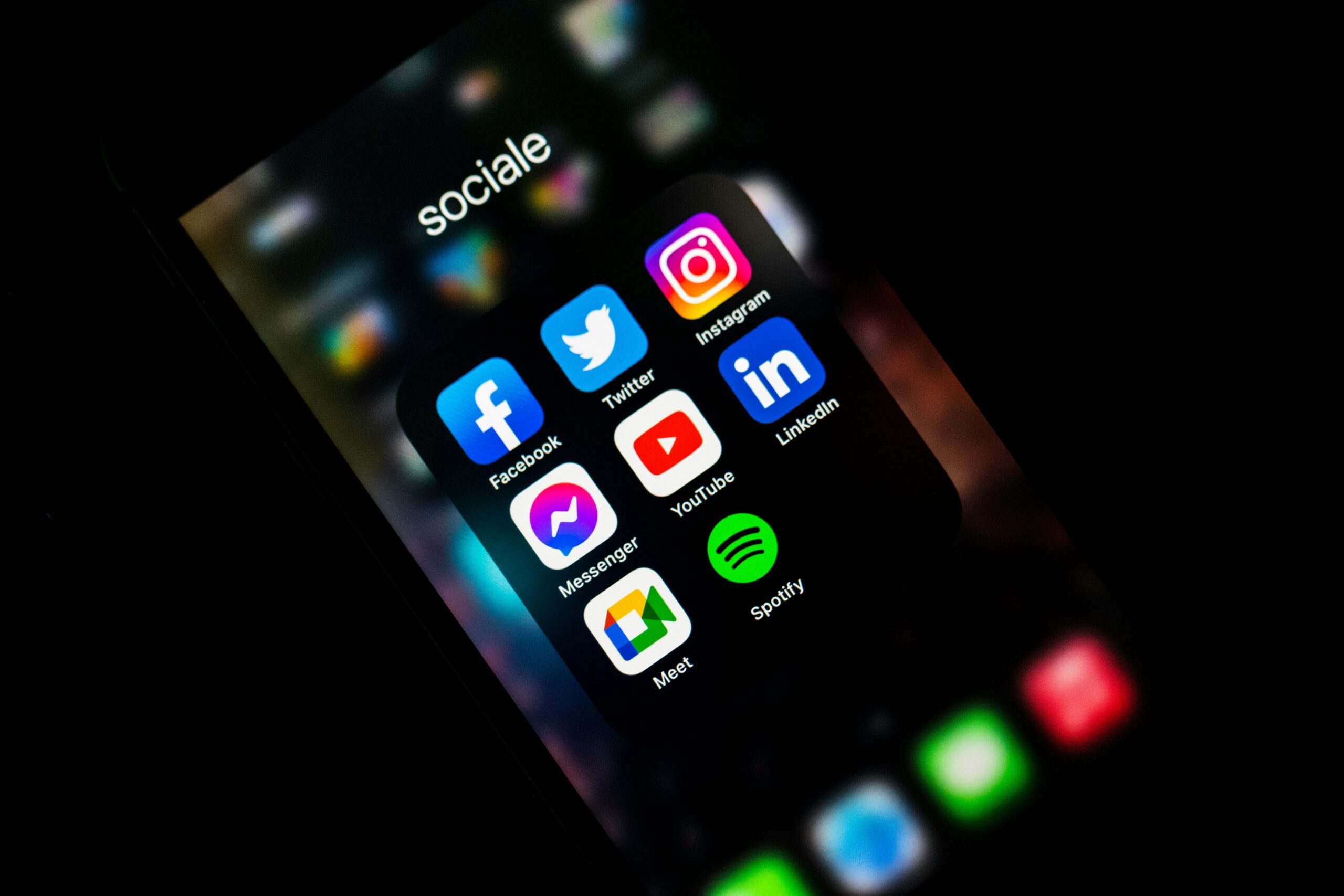
So I logged out. Not just Instagram and Twitter (sorry, “X”), but all of it. No checking DMs, no lurking. I deleted the apps and blocked the sites. I didn’t make an announcement. I didn’t turn it into content. I just left.
And here’s what I found.

The first three days were hell.
I kept reaching for my phone out of pure muscle memory. Waiting in line? Phone. Commercial break? Phone. Morning coffee? Phone. Only this time, it would open to my calendar or the weather app, and I’d stare like a dog expecting food from an empty bowl.
But underneath that twitchy withdrawal, I started to notice a different signal: boredom. Honest-to-God boredom. The kind I hadn’t felt since I was a teenager lying on my bed with nothing to do but stare at the ceiling.
And then something strange happened.
I didn’t reach for another screen. I started reaching for a notebook.
By the end of week one, my thoughts had space again.
I don’t mean that in a poetic way — I mean I could finish a thought. I could read a paragraph without scanning. I could sit down to write and not feel the immediate tug to share it. I didn’t realize how much of my inner dialogue had become performative until it wasn’t being performed.
There’s a kind of quiet that only exists when you stop curating yourself. And in that quiet, you start hearing yourself again.
The second week brought a surprising twist: loneliness.
Not in a sad way — more like a social phantom limb. I realized how many of my connections were superficial check-ins. Emojis instead of conversations. Stories instead of updates. Without them, I felt oddly untethered. But also… free.
I started calling people. Real calls. Ten-minute chats with old friends I hadn’t heard from in months. I wrote a couple of long emails — like it was 2007. And people responded. Not with likes, but with actual words. I remembered that connection used to feel richer than notifications.
By week three, something cracked open.
Ideas started flowing again — slowly at first, then all at once. I began writing for fun, not for performance. I sketched out a new course idea. I took walks without podcasts. I noticed the shape of clouds. I stopped trying to document everything and started living in it. There was nothing to prove. No one to impress. Just me, paying attention.
And I felt calm. Deep, cellular calm. The kind you don’t realize you’ve lost until it returns.
Here’s the truth I didn’t expect: I didn’t miss it.
Not really. Not the noise, not the pressure, not the weird compulsion to check who saw my story. The world didn’t end. My business didn’t collapse. My friends didn’t forget me.
But I remembered myself.
I’m back now — sort of. I redownloaded a few apps, but I use them with gloves on. No endless scroll. No reactive posting. Just intentional check-ins, maybe once a week. I treat social media like fire: useful, powerful, and absolutely capable of burning down your life if left unattended.
So no, this isn’t a “delete everything forever” manifesto. It’s just a reminder. That your brain wasn’t built for 24/7 digital noise. That silence is not emptiness — it’s space. That attention is a currency, and you get to spend it how you want.
Sometimes, the only way to remember who you are is to log out of who you’ve been pretending to be.